
Cozy up your space: easy sewing projects for beginners
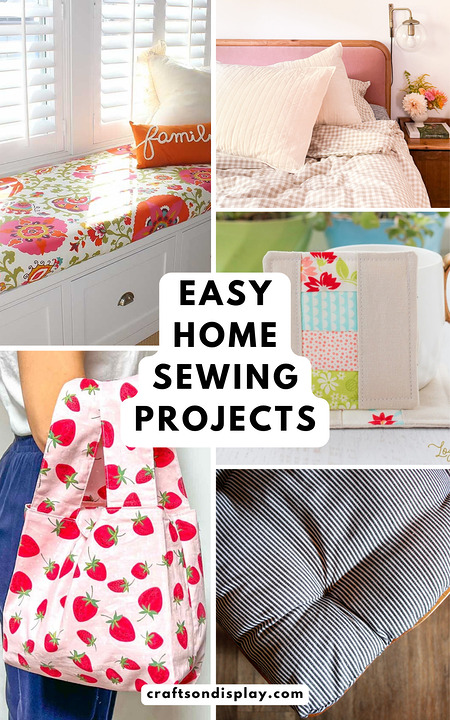
Ever looked at a gorgeous throw pillow or a simple linen tote bag in a boutique and thought, “I could totally make that”?
Well, you can. And you don’t need a fashion design degree or a thousand-dollar machine to pull it off.
If you are sitting there with a brand-new sewing machine still in the box, or if you inherited your grandma’s old machine and feel a bit intimidated, you are in the exact right place. Taking on DIY home decor is honestly the absolute best way to learn how to sew. Unlike clothing, you don’t have to worry about complicated body measurements, darts, or zippers that refuse to cooperate. Home decor is mostly straight lines, simple cuts, and quick wins.
Let’s dive into some incredibly satisfying, beginner-friendly home sewing projects that will make your space look amazing without draining your bank account.
Why starting with home decor is a total game-changer
When people think about learning to sew, they often jump straight to making a dress or a button-down shirt. But garment sewing comes with a massive learning curve. If you get the sizing slightly wrong, the whole project feels unwearable.
Home decor projects are way more forgiving. A throw pillow doesn’t care if it is a quarter-inch off. A tote bag will still hold your groceries even if your seam isn’t perfectly straight.
Plus, making your own home goods lets you completely customize your living space. You get to pick the exact fabric texture, pattern, and color palette to match your room. It is the ultimate way to get high-end boutique style on a total budget.
The essential beginner sewing toolkit
Before we look at the projects, let’s make sure you have the basics ready to go. You do not need every single gadget in the craft aisle. In fact, keeping it simple will save you a ton of frustration.
Here is what you actually need to get started:
- A reliable sewing machine: A basic machine that does a straight stitch and a zigzag stitch is all you need.
- Fabric shears: Keep a dedicated pair of sharp scissors only for fabric. Cutting paper with them will dull them instantly, and dull scissors ruin fabric edges.
- Straight pins or sewing clips: Pins keep your fabric layers from shifting while you sew.
- A clear acrylic ruler and fabric chalk: Perfect for marking straight lines and measuring corners.
- Good quality thread: Stick with all-purpose polyester thread in neutral colors like white, cream, or grey.
- An iron and ironing board: This is the secret weapon of sewing. Ironing your seams as you go is the difference between a project looking homemade and looking professionally made.
Project 1: pillow covers
If you want the absolute fastest way to refresh a living room or bedroom, this is it. The envelope throw pillow cover requires zero zippers and zero buttons. It uses overlapping fabric panels on the back so you can easily slip the pillow insert in and out whenever you want to wash it.
It is a brilliant way to practice measuring, cutting square corners, and sewing long, straight lines.
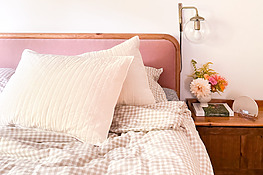
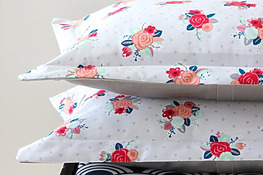
Quilted pillow sham tutorial (Sarah Hearts). DIY pillow cover with flanges (The Homes I Have Made).
Fabric recommendations: Medium-weight woven fabrics work best here. Look for cotton canvas, linen blends, or light upholstery fabrics. Avoid anything stretchy or super slippery for your first try.
Project 2: Simple cloth napkins for sustainable dining
Want to level up your dinner tablescapes while cutting down on single-use paper towels? Cloth napkins are an incredibly easy project, and they make fantastic gifts.
You are essentially just sewing four straight hems on a square piece of fabric. It is the ultimate project for mastering the art of the neat, clean corner.
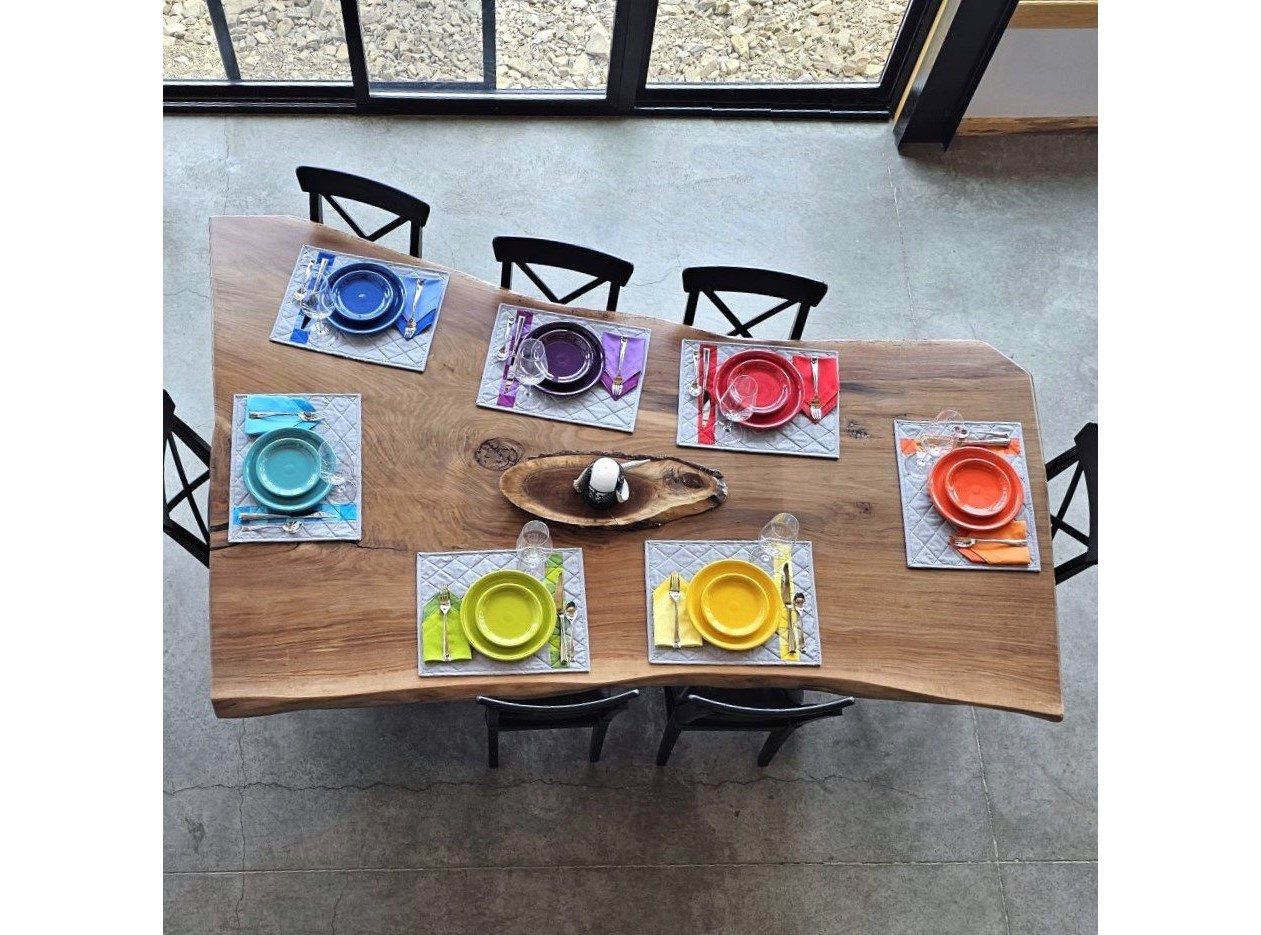
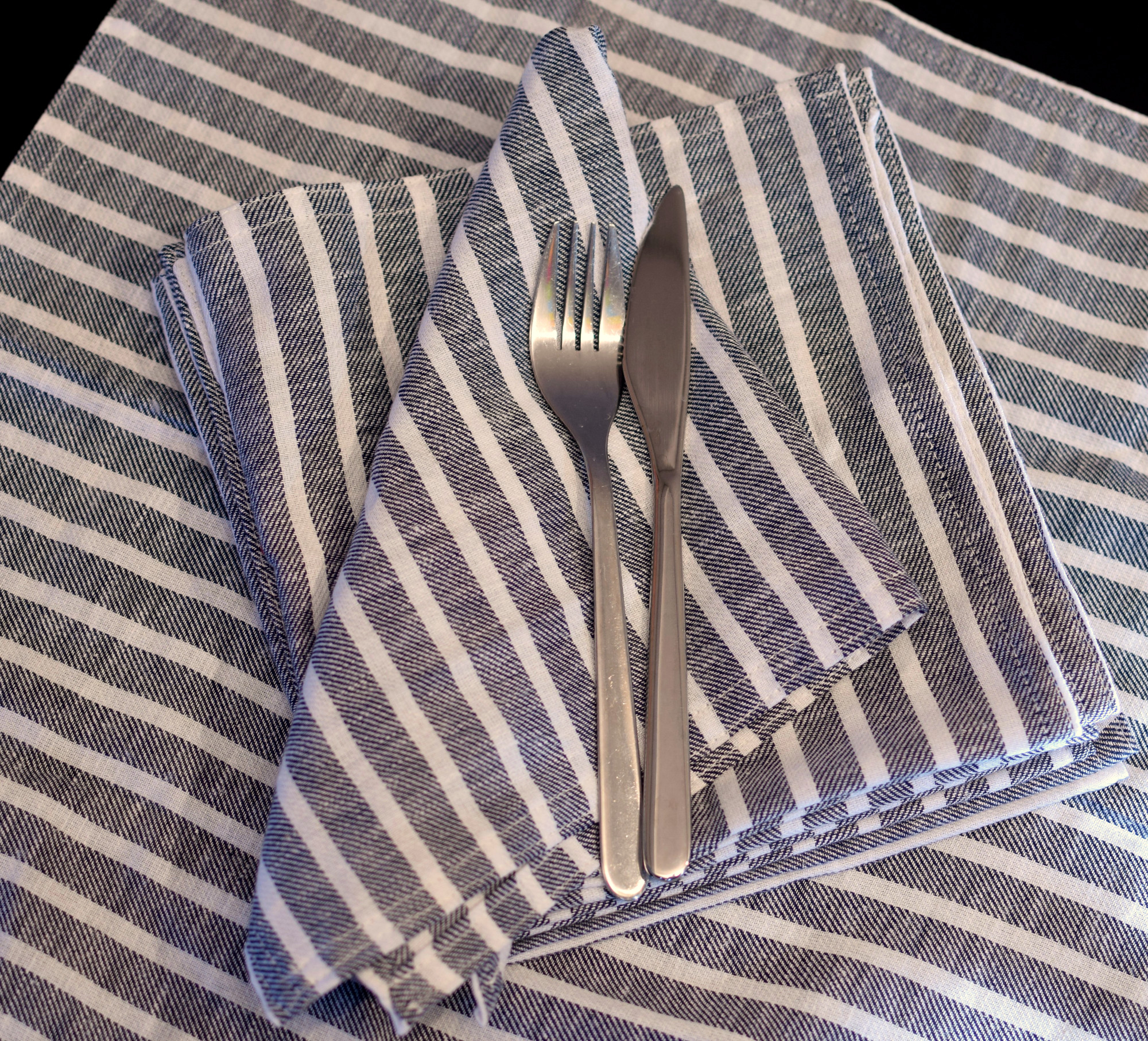
DIY placemats and napkins set (Crafty Staci). How to sew cloth napkins (I Can Sew This).
Fabric recommendations: 100% cotton, cotton flannel, or pure linen. These materials absorb moisture well and wash beautifully.
Project 3: The ultimate everyday tote bag
A sturdy tote bag is incredibly practical for grocery shopping, library trips, or heading to the beach. Once you learn the basic structure of a tote bag, you can easily scale the size up or down to create custom gift bags or makeup pouches.
This project introduces you to working with webbing or straps, and it teaches you how to create a 3D bottom using a technique called “boxing corners.”
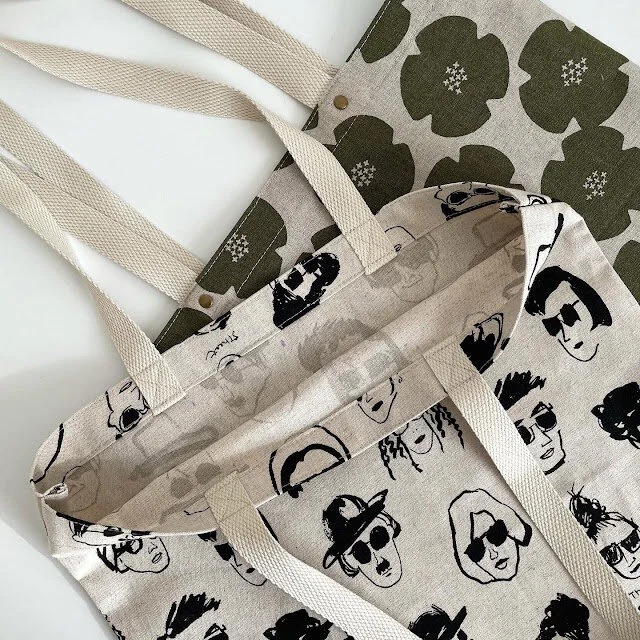
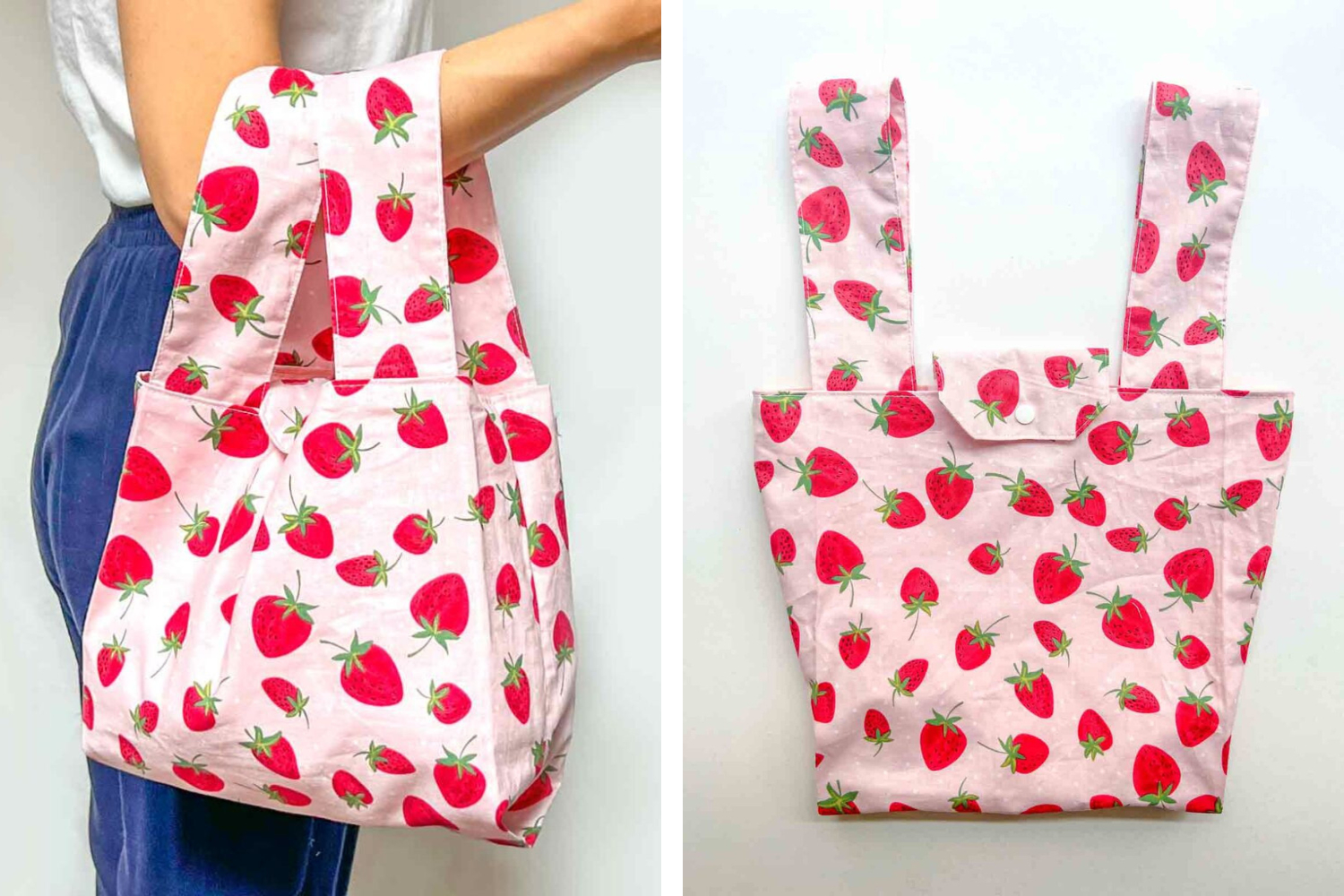
Easy French seams tote bag (Sotak Handmade). Free grocery bag pattern(Mindy Makes).
Fabric recommendations: Heavy-weight fabrics like cotton duck canvas, denim, or twill. For the straps, you can buy pre-made cotton or nylon webbing to save time.
Project 4: Easy drawstring storage bags
Drawstring bags are perfect for organizing unruly closets, packing shoes for travel, or storing kids’ toys. They look adorable hanging from hooks and are a brilliant alternative to plastic storage bins.
It teaches you how to create a “casing” – which is just a hollow fabric tunnel used to thread a string, cord, or elastic through.
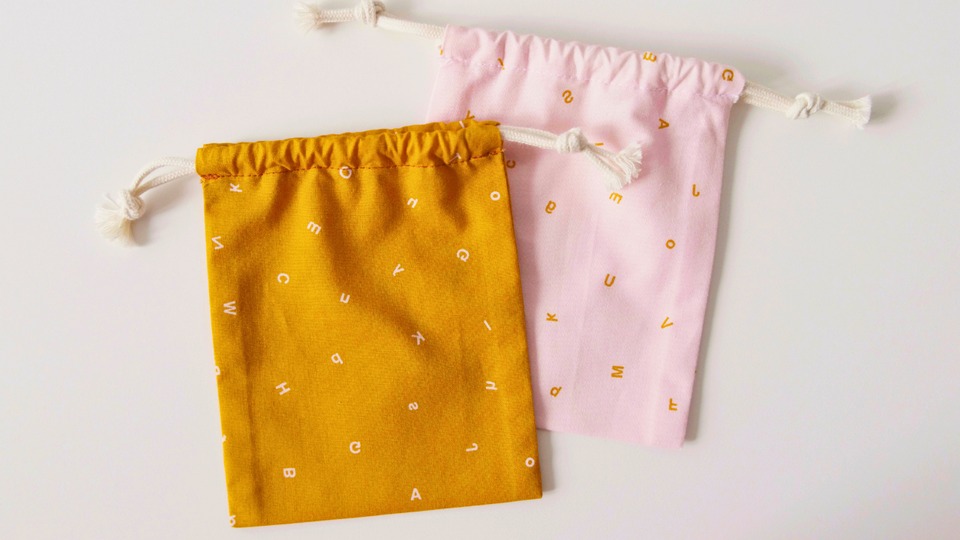

Unlined drawstring bag sewing tutorial (Charlotte Kan). DIY patchwork lined drawstring gift bag (I Can Sew This).
Fabric recommendations: Lightweight to medium-weight cotton, linen, or quilting cottons. You can use cotton twine, ribbon, or paracord for the actual drawstring.
Project 5: Simple fabric coasters
If you have leftover scraps from your pillow or tote bag projects, do not throw them away. Fabric coasters are the ultimate scrap-buster. They take less than ten minutes to make, protect your wooden tables from coffee rings, and add a pop of color to your living room or desk.
It is a fantastic project for practicing precise cutting, pivoting at tight corners, and mastering clean topstitching very close to the edge of your fabric.
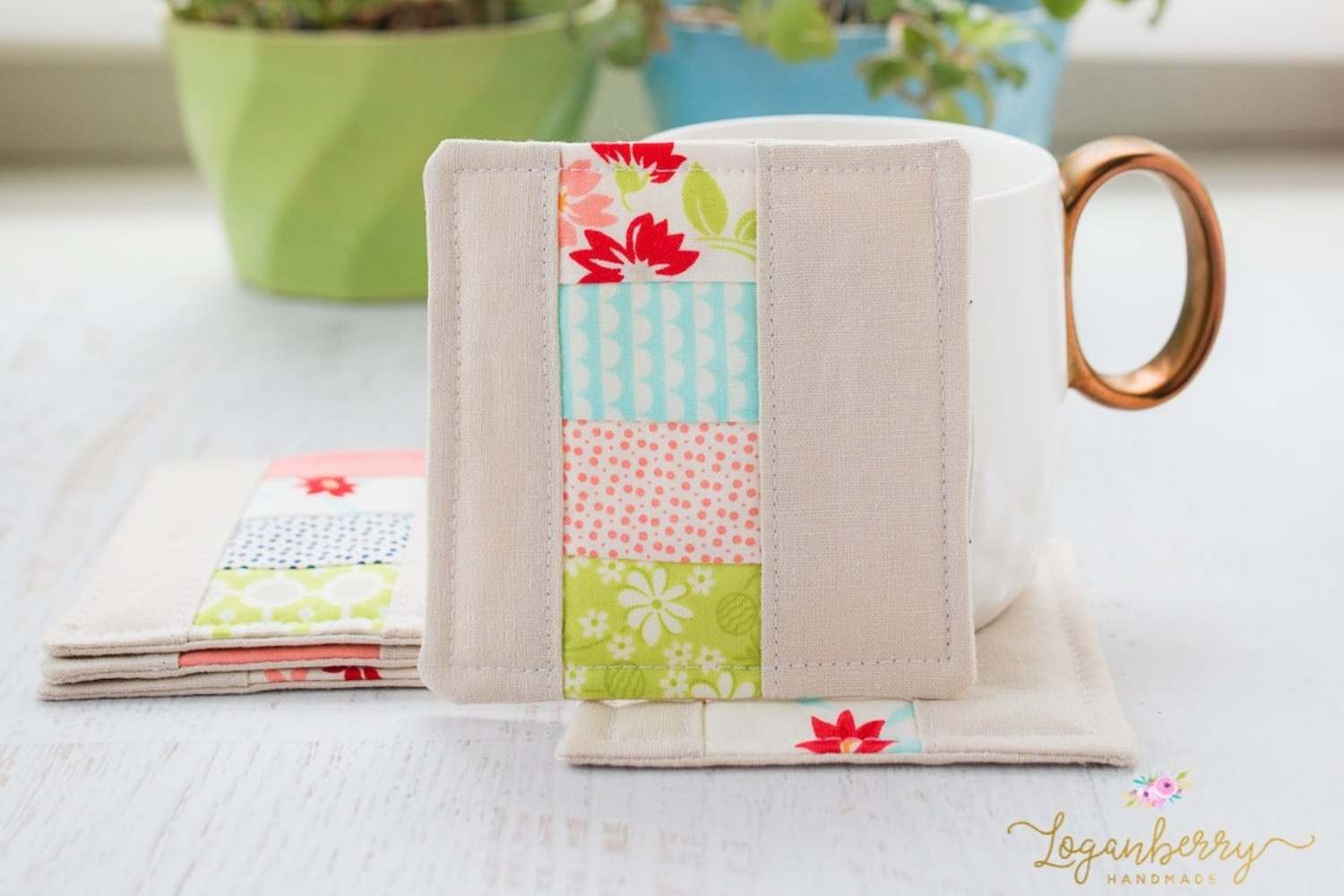
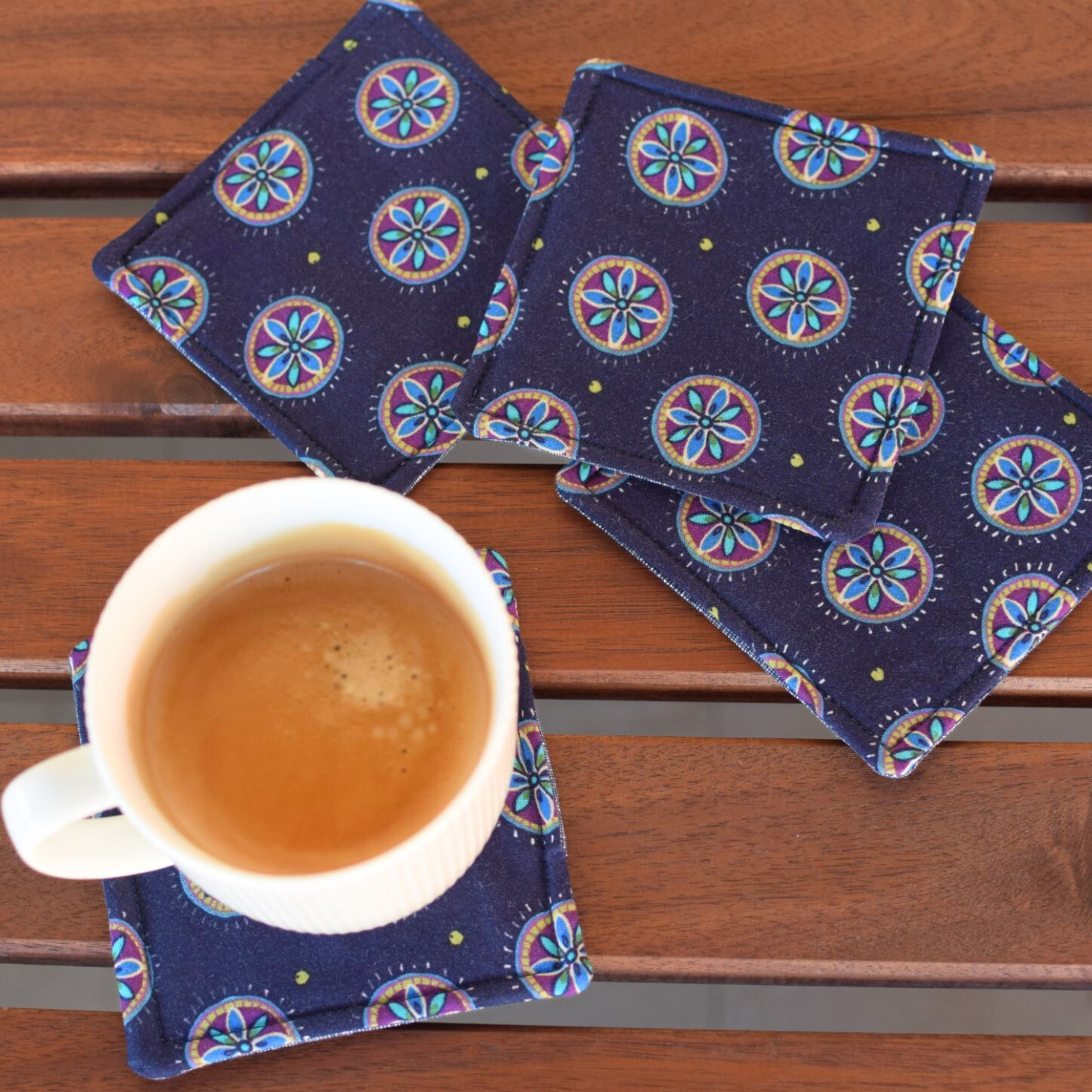
Patchwork coasters from fabric scraps (Loganberry Handmade). How to sew fabric coasters even if you’re a complete beginner.
Fabric recommendations: Medium-weight cotton, linen, or quilting cotton. To give the coasters some structure and absorbency, you will want to sandwich a layer of cotton batting or fusible fleece between the fabric pieces.
Project 6: A classic table runner
A table runner is one of the easiest ways to dress up a dining room table or entryway console. It is much easier to manage than a full-size tablecloth, and you can easily switch them out for different seasons or holidays.
If you want to practice sewing long, perfectly straight lines without getting overwhelmed by a giant piece of fabric, this is the project for you.
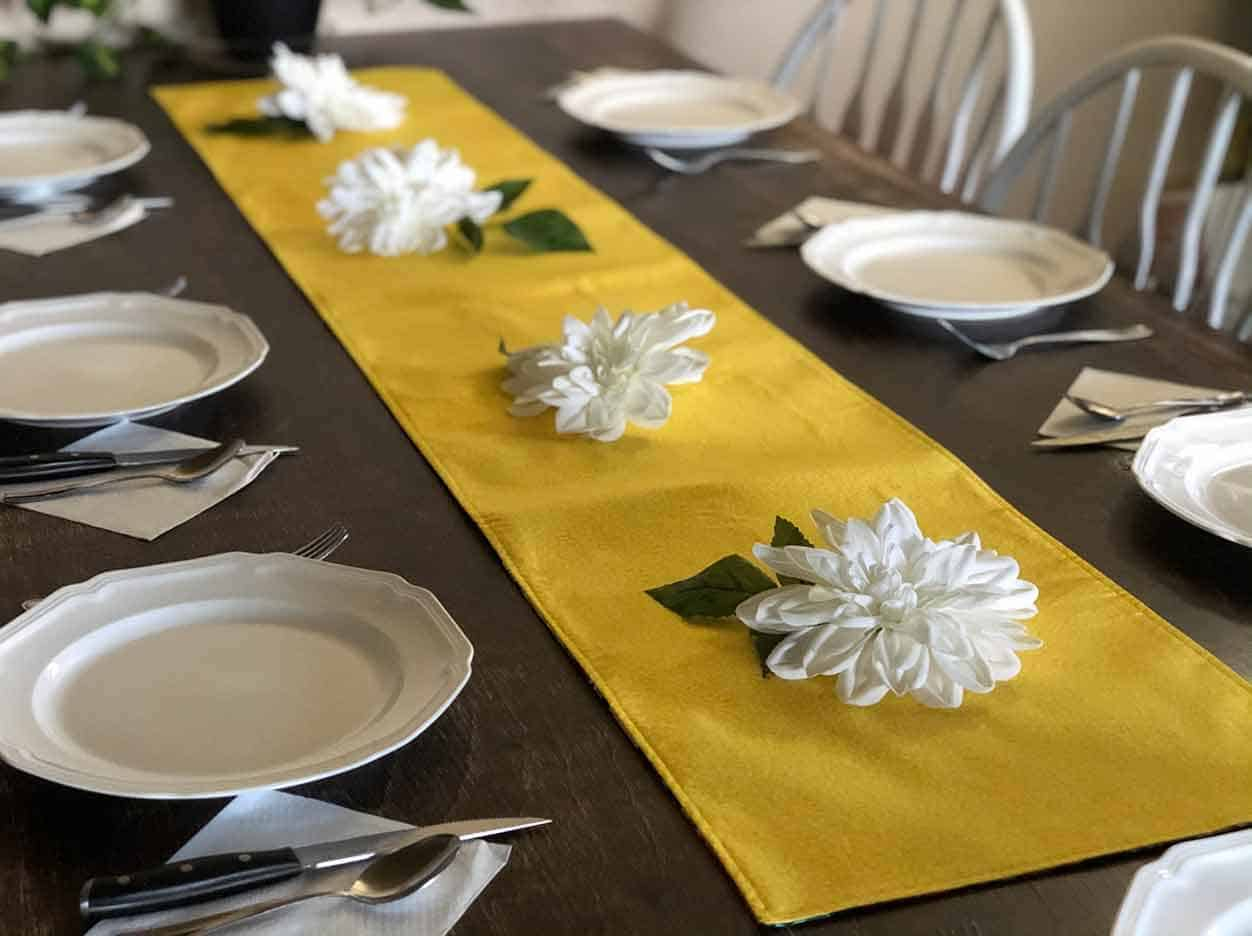
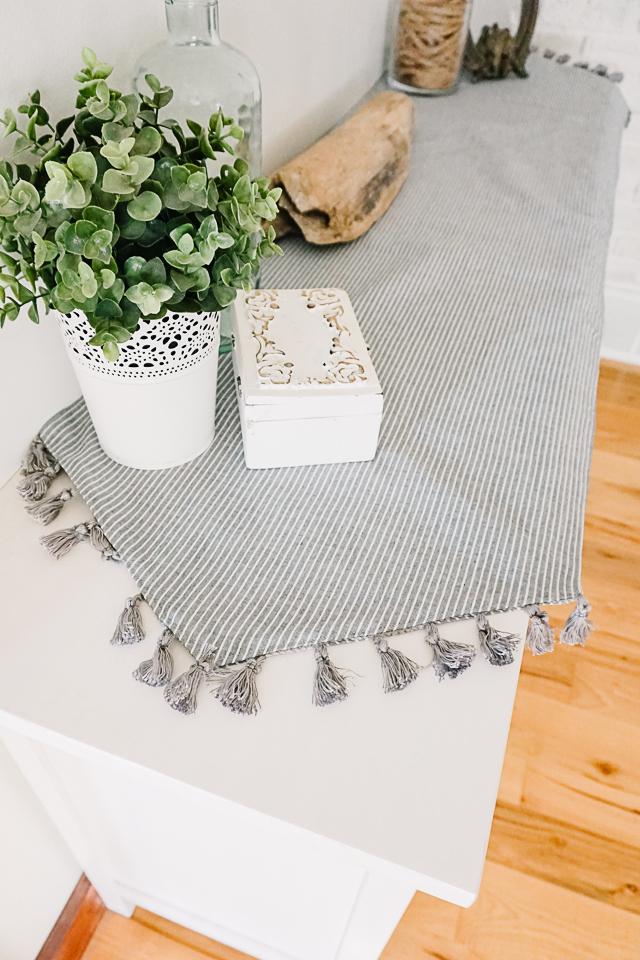
Reversible table runner for beginners (Happiest Camper). Simple table runner with cotton fabric and trim (Heather Handmade).
Fabric recommendations: Linen, linen blends, canvas, or quilting cotton. Look for fabrics that drape nicely but still have enough weight to sit flat on a table.
Project 7: Easy fabric storage bins
Tired of plastic organization bins? You can sew your own soft fabric storage cubes to perfectly fit your shelving units. They are amazing for holding craft supplies, cables, or bathroom essentials.
This project takes the “boxed corners” technique you learned from the tote bag and applies it to both the outer fabric and the lining, giving you a great lesson in basic 3D construction.
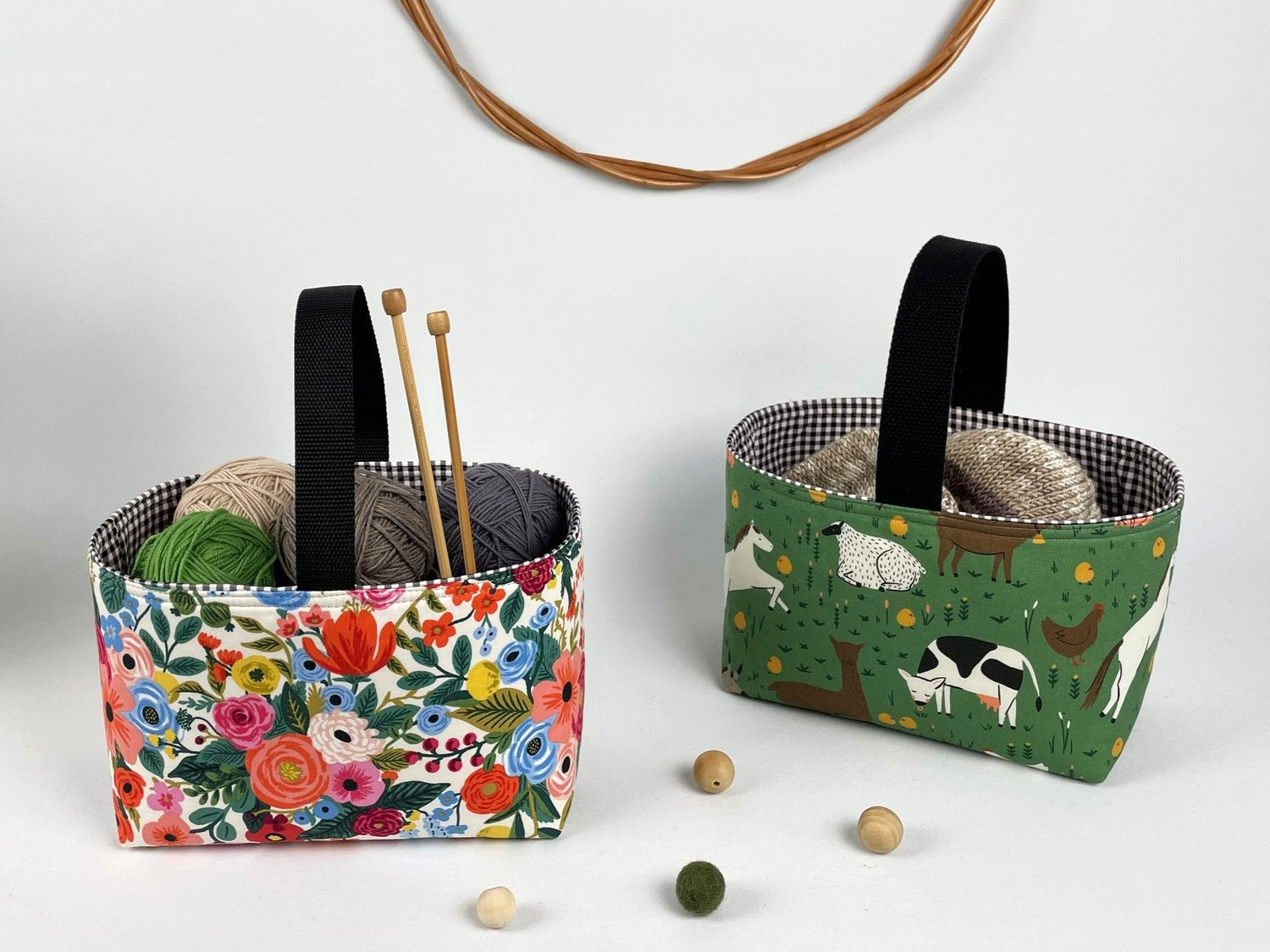
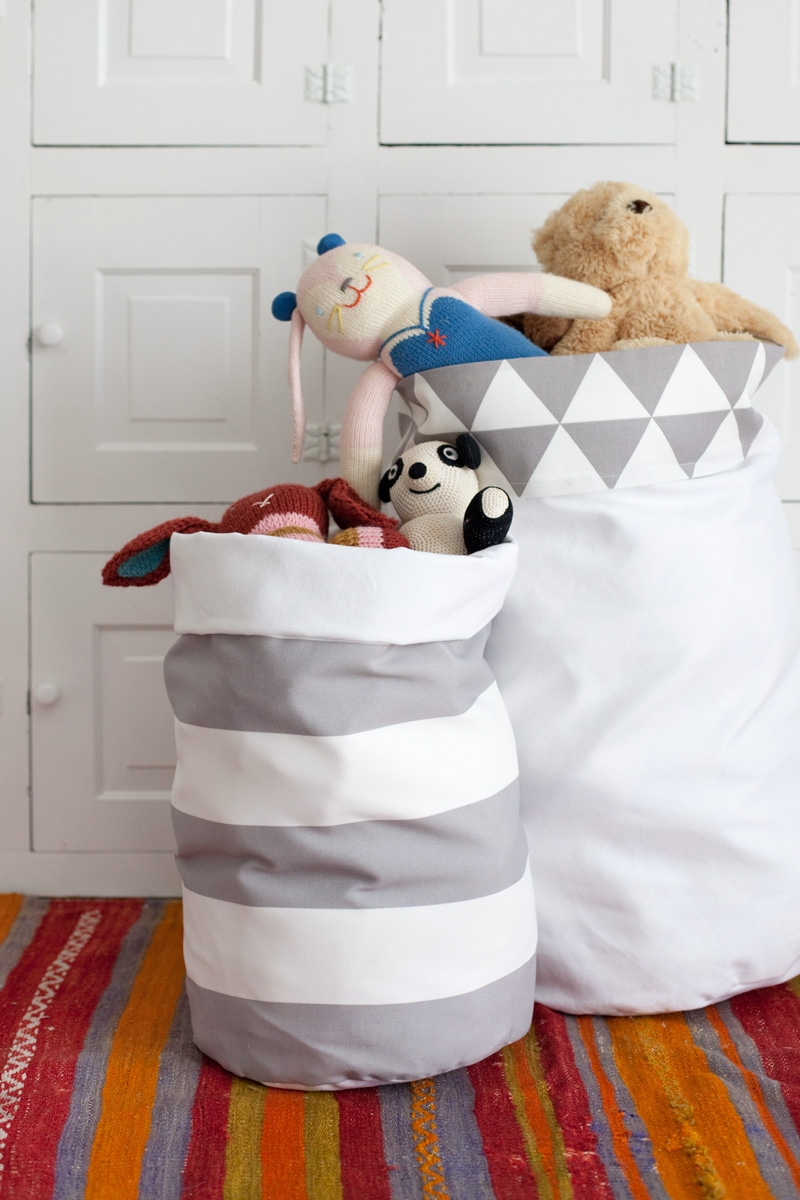
DIY fabric storage basket tutorial (Sotak Handmade). Reversible fabric bins (A Beautiful Mess).
Fabric recommendations: Heavy canvas, denim, or duck cloth for the exterior to help the bin stand up. You can use lighter quilting cotton for a fun, contrasting lining.
Project 8: Simple tied seat cushions
If you have wooden dining chairs, barstools, or patio benches that are a bit too hard to sit on for long, custom seat cushions are the perfect weekend DIY. You can make them as thick or as plush as you want, and the built-in fabric ties keep them from sliding around.
It introduces you to working with foam or thick batting, and it teaches you how to securely insert ties or ribbons directly into your seams while you sew.
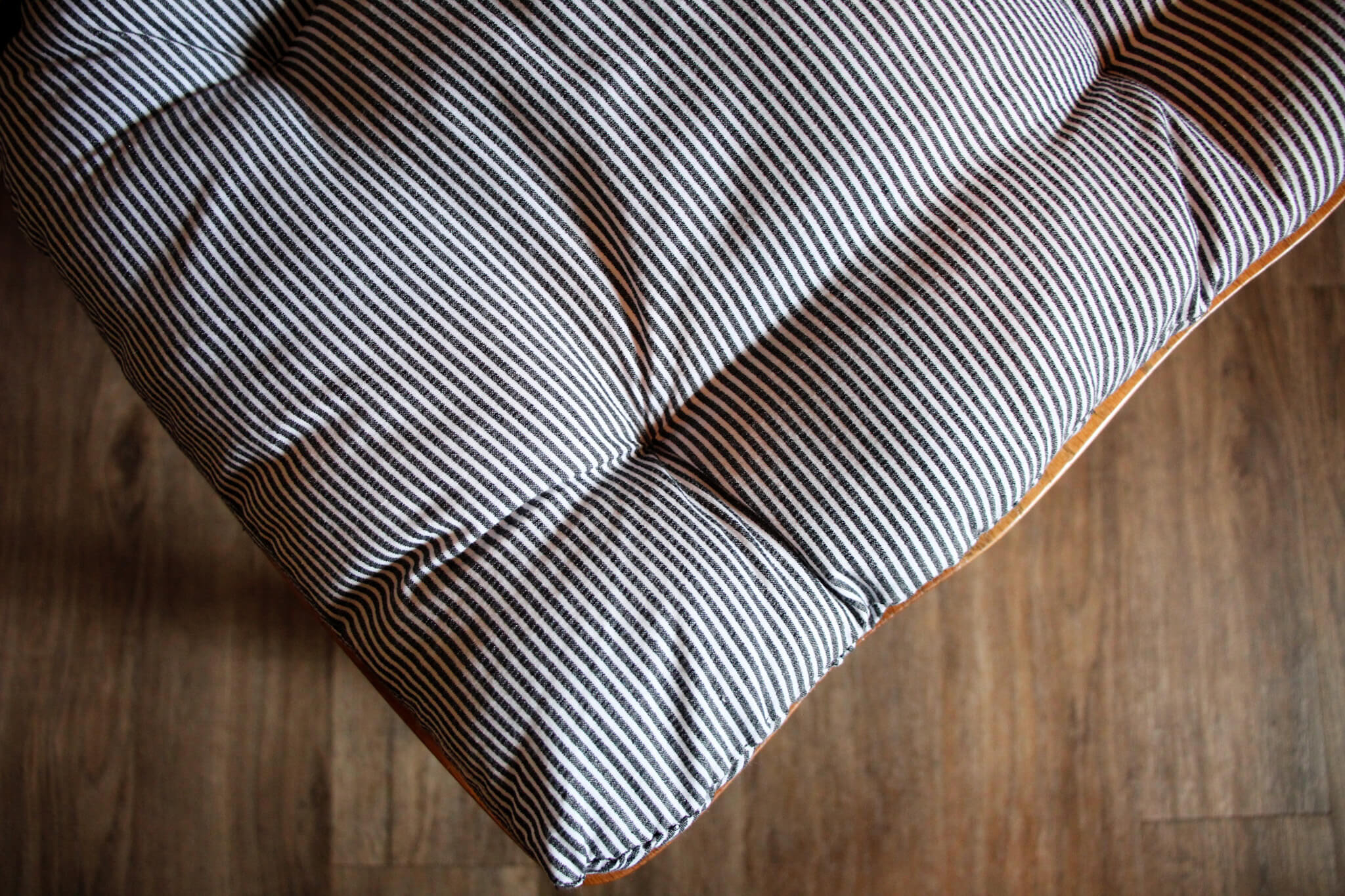
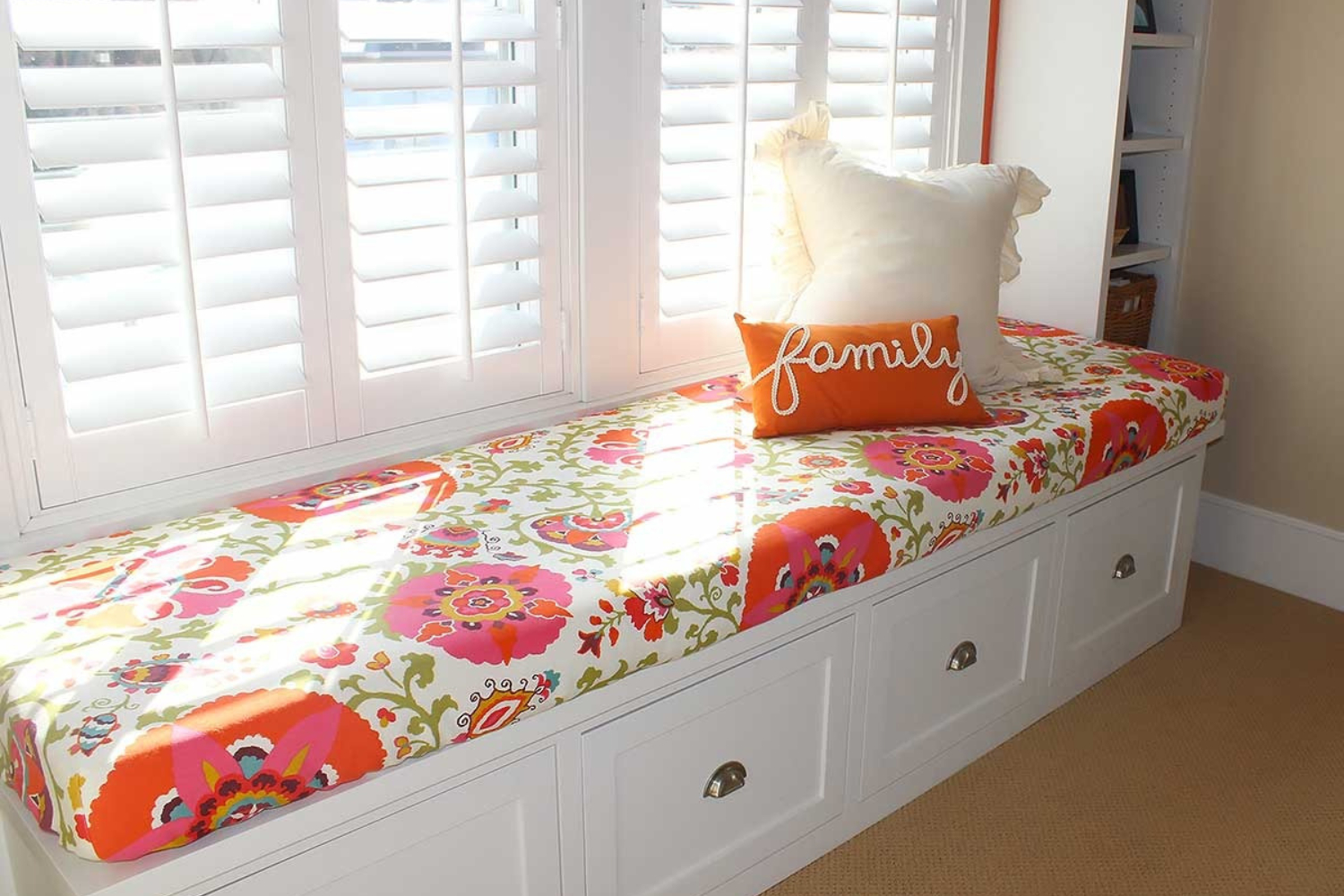
DIY custom chair cushion with ties (The Simple Home Place). Elastic DIY bench cushion cover (Be Brave and Bloom).
Fabric recommendations: Heavy-duty cotton canvas, duck cloth, or outdoor performance fabrics if your chairs live on a deck or porch.
3 Insider sewing tips that will save your sanity
When you are just starting out, it is completely normal to run into a few bumps in the road. Keep these three golden rules in mind to make your crafting experience way smoother:
1. Don’t skip pre-washing your fabric
Natural fibers like cotton and linen shrink the first time they go through the laundry. If you sew a perfect 18×18 inch pillow cover out of unwashed fabric, then toss it in the washing machine later, it might shrink down to a 16×16 inch cover and crush your pillow insert. Wash and dry your fabric exactly how you plan to wash the finished item before you ever cut into it.
2. Match your needle to your fabric
Using the wrong needle type is the number one cause of skipped stitches, broken threads, and bunched-up fabric. For the home decor projects listed above, a standard Universal Needle (size 80/12 or 90/14) works beautifully for medium-weight cottons and linens. If you decide to tackle heavy canvas or denim for your tote bag, switch to a dedicated Jeans/Denim Needle so your machine can effortlessly pierce the thick layers.
3. Let the machine do the feeding
Your sewing machine has tiny metal teeth underneath the needle called feed dogs. Their entire job is to pull the fabric through the machine at the perfect speed. You do not need to pull or push the fabric through yourself. Simply place your hands lightly on the fabric to guide it in a straight line and let the machine do the heavy lifting.
turn inspiration into action
The biggest hurdle in learning to sew is simply taking that first step! Don’t worry about making every single stitch flawless. The tiny imperfections are exactly what give handmade items their charm.
Pick one project from this list that excites you the most. Head over to your local craft store or browse online for a fabric pattern that makes you smile, clear off a flat spot on your table, and give it a shot. You will be amazed at what you can create with just a little patience and a few straight lines.
Happy sewing, and enjoy your beautiful new custom home decor!
More sewing fun! Free makeup bag sewing patterns. 20+ best free cotton skirt patterns.
Explore more
We're always looking for awesome makes!