
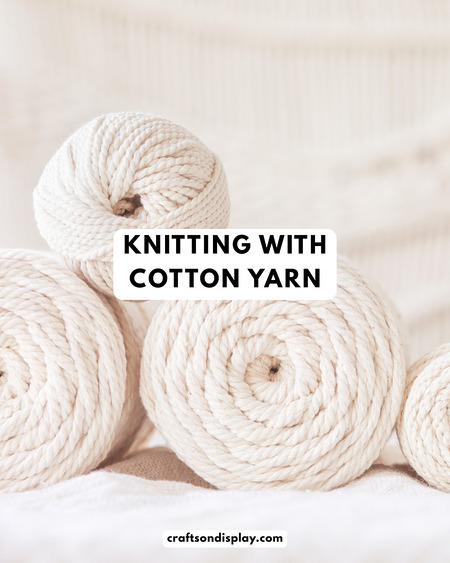
If you’ve been knitting for a while, you’ve probably worked with wool or acrylic. But if you haven’t given knitting with cotton yarn a real shot, you are missing out! Cotton is a totally different beast – in the best way possible. It’s got a lovely feel, fantastic durability, and is perfect for a whole range of projects that wool just can’t handle.
Ready to dive in? Let’s talk about the good, the tricky, and the amazing things you can make with this plant-based superstar. Plus, we’ve rounded up some great free pattern ideas for you to try right now!
Pros and Cons of Knitting with Cotton Yarn
Every yarn has its quirks, and cotton is no exception. Knowing what to expect before you start is half the battle!
The “Pros” (Why You’ll Love It)
- Breathable & Cool: This is cotton’s superpower! It doesn’t trap heat like wool, making it the best choice for summer knits and anyone living in a warm climate.
- Super Durable & Strong: Cotton is tough. It holds up to repeated washing and heavy use, which makes it perfect for things like washcloths and market bags.
- Machine Washable: Hallelujah! Unlike some delicate wools, most cotton yarns can be tossed right into the washing machine.
- Good Stitch Definition: Cotton has very little “fuzz,” which means your cables, lace, and texture stitches will really pop and look super crisp.
- Hypoallergenic: It’s a great option for people with sensitivities to wool – ideal for baby items.
- Inexpensive: It’s generally more budget-friendly than fine animal fibers like cashmere or merino.
The “Cons” (Things to Keep in Mind)
- No “Give” (Less Elasticity): This is the biggest difference from wool. Cotton is inelastic, meaning your finished fabric won’t have that “bounce back” or memory that wool provides.
- It’s Heavy & Dense: Cotton fibers are more moisture-absorbent than wool, resulting in a heavier finished fabric. This density can make long knitting sessions harder on your hands and wrists. Also, larger projects like blankets or oversized sweaters will feel significantly heavy and weigh down over time.
- Slow to Dry: Because cotton is so absorbent, it takes a considerably longer time to dry after washing.
- Can Split Easily: Plied cotton yarn, especially, can sometimes be a little prone to splitting when you insert your needle.
Project Ideas Perfect for Cotton Yarn
The durability and absorbency of cotton make it ideal for a huge variety of non-garment projects, but its breathability is fantastic for light clothing, too.
Here are a few of the best projects for knitting with cotton yarn, along with why they work so well:
For the Home & Kitchen
- Washcloths & Scrubbies: The ultimate cotton project! Cotton is highly absorbent and gentle, yet durable enough to handle scrubbing. Grandmother’s favorite dishcloth. Spiral scrubbies.
- Potholders: Cotton can handle heat much better than synthetic yarns (which can melt). Double-stranding the yarn makes for a thick, protective layer. Double thick potholder.
- Bags & Baskets: The strong, inelastic nature of cotton helps these projects hold their shape without excessive stretching, making a great market bag or storage basket. Round nesting baskets. Oodles knit basket. Easy market bag. Knit project bag. Holiday gift bag.
- Table Runners/Placemats: They need to be washable and durable, which cotton does perfectly. Gull lace table runner. Rainbow placemats and coasters.
Small & Fun Accessories
- Hair Bows & Gift Toppers: Cotton gives these small items a structured, crisp look that holds its shape beautifully. Tiny knit bow. Rustic little heart.
- Keychains & Bag Charms: Cotton is sturdy and can withstand being jostled around on a set of keys or a bag. Strawberry keychain. Mini knit backpack.
- Christmas Decorations (Ornaments): Again, the excellent stitch definition makes decorative stitches really stand out on ornaments. Mini knit hat ornaments. Tiny holiday sweater pattern. Knit flat Christmas tree.
Toys & Gifts
- Small Toys (Amigurumi): Cotton is a top choice for knitted toys because it’s sturdy and washable – essential for anything a child plays with! Fair Isle mice knitting pattern. Quick knit chicken pattern.
- Baby Blankets: Breathable, soft, and machine washable – what more could you want in a baby blanket? Cotton is gentle on sensitive skin. Simple baby blanket pattern. Corner-to-corner baby blanket.
Wearable Items
- Summer Scarves/Shawls: Forget itchy wool on a warm evening! A cotton lace shawl is lightweight, airy, and adds just a touch of warmth without overheating you. Garter stitch summer scarf. Free triangle scarf pattern. Sacre coeur shawl.
- Clothing (Tops, Cardigans): As we’ll discuss below, cotton is excellent for summer garments because it keeps you cool. Easy lace sampler top pattern.
Hot Tips for Knitting Clothes with Cotton Yarn
If you’ve mostly knit sweaters with wool, making a garment with cotton requires a slight shift in thinking. The lack of elasticity is the key difference, but it’s what makes cotton pieces so perfect for warmer climates!
Keep These Pointers in Mind:
- Check Your Gauge: Because there’s no stretch, your gauge is critical! Swatch, wash, and dry your swatch exactly how you plan to treat the finished garment.
- Size Down Slightly (Maybe): Remember that cotton garments will slightly stretch in length (grow) when you wear them due to the weight. If you’re on the fence between two sizes, consider opting for the smaller one, or choose a design that is naturally shorter or more fitted.
- Choose the Right Stitches: Heavy textures like moss stitch or bulky cables can make an already heavy yarn even heavier. Lace and light stockinette are fantastic choices for cotton garments as they keep the fabric airy.
- Consider Blends: If you want some of the breathability of cotton but with a little more bounce, look for cotton blended with a little linen, silk, or acrylic.
General Tips for Successful Cotton Knitting
Cotton yarn can be a rewarding fiber to work with, especially when you arm yourself with a few insider tricks.
Needle Choice
- Experiment with Materials: Since cotton has no elasticity, your needle material can dramatically affect your knitting rhythm. Some knitters prefer the slickness of metal needles to handle cotton’s stiffness, while others prefer bamboo or wood to reduce stitch splitting and prevent stitches from slipping off too easily. Try both to see what feels right for you!
- Matching Needles to Project: If you are trying to create a sturdy fabric (like for a bag or toy), many knitters prefer to use a smaller needle size than recommended to ensure a dense, firm result. For drapier items (like a summer top), using a larger needle size will help open up the fabric, creating more drape and airiness. The best size depends entirely on the desired outcome!
Weigh Your Yarn Before You Start!
This is a pro-level tip that will save you from major disappointment!
- The Problem: Cotton yarn can vary wildly in how much it weighs compared to its yardage. A bulky wool might have a similar yardage to a bulky cotton, but the cotton will be much, much heavier. When you pick up a project that looks like it will need 10 skeins, it’s easy to assume the finished weight.
- The Fix: Calculate the total weight of the project for the yardage you need.
- Look up the required yardage for the pattern (e.g., 1500 yards).
- Find the yardage on your chosen cotton yarn ball (e.g., 120 yards).
- Divide the total required yardage by the ball yardage (1500 / 120 = 12.5 balls).
- Multiply the number of balls by the weight of a single ball (e.g., 12.5 balls x 100g/ball = 1250 grams, or 1.25 kilograms!).
Knowing the final weight will prevent any surprises about how heavy your finished garment or blanket will feel! Happy knitting!